
Internal-Linking Workflow for SaaS Sites
Most SaaS sites do not have an indexing problem first. They have an orphaned-answer problem: useful pages exist, but they do not point to each other in a way that explains the product, the use case or the next step.
Quick answer: An internal-linking workflow for SaaS maps each article to one pillar, two supporting pages and one conversion-relevant next step. Add links where they help the reader continue the same job. Avoid sitewide link stuffing, unrelated exact-match anchors and template changes unless a human has approved them.
Why do SaaS sites need an internal-linking workflow?
SaaS content tends to grow in bursts: a comparison here, a technical checklist there, a product explainer somewhere else. Over time the best pages can become isolated. Search engines can still crawl them, but the site does not clearly say which pages are central and which pages support the buying journey.
A workflow prevents random linking. It turns linking into a repeatable editorial pass that can be run after every new post, refresh or audit.
What should each SaaS blog post link to?
- One pillar or definition page that frames the broader topic.
- One diagnostic page that helps the reader understand whether the problem applies to them.
- One workflow or checklist page that gives the next operational step.
- One conversion-relevant page or CTA when the reader is ready for help.
- One related objection or comparison page when it genuinely helps the decision.
The 20-minute internal-link pass
- Pick one URL. Do not audit the whole site at once.
- Write the page job in one sentence: “This page helps [reader] do [task].”
- Find the nearest pillar page. If there is no pillar, mark a content gap instead of forcing a link.
- Find two support pages: one problem-aware and one action-oriented.
- Choose anchors that describe the next step, not just the keyword.
- Add the link inside a paragraph where the reader would naturally need it.
- Check the destination page also links onward to the next useful asset.
Which internal links should you avoid?
Bad internal links are easy to automate and hard to defend. Avoid adding the same commercial anchor to every article, linking unrelated posts because the keyword matches, or burying the only important link in a generic “learn more” sentence.
A safer anchor test
- If the link were removed, would the paragraph lose a useful next step?
- Does the anchor tell the reader what they will get after clicking?
- Would the destination page satisfy the same intent sequence?
- Is this link editorial, not just mechanical SEO decoration?
How should an SEO agent help with internal links?
An SEO agent can crawl a content list, group pages by intent, propose contextual links and explain why each link belongs. It should not silently modify navigation or templates. If you are setting up an agent, start with the AI SEO agent owner-controlled workflow and the free AI SEO audit checklist.
When Search Console data is available, pair the link pass with GSC content gap analysis and low-hanging-fruit keyword checks. Pages with impressions but weak clicks often need a clearer answer, stronger title and better support links.
A SaaS internal-linking checklist you can copy
- Every pillar page links to its highest-value cluster pages.
- Every cluster page links back to the pillar with a descriptive anchor.
- Every diagnostic post links to one operational checklist.
- Every operational checklist links to a product-fit or free-audit next step.
- Every new post receives at least two incoming links from older relevant posts.
- Every added link can be explained in one sentence.
How SEOCEO fits this workflow
SEOCEO can run the link audit as a controlled agent task: inspect the current blog, identify orphaned or under-supported posts, draft contextual link edits and label anything outside blog content as approval-required. The owner keeps control because the workflow is visible in a readable skill file.
Free audit CTA
Want me to find the dead ends in your site? Comment or DM CHECK with your URL and I will look for orphaned pages, weak content paths and the first internal links I would add.
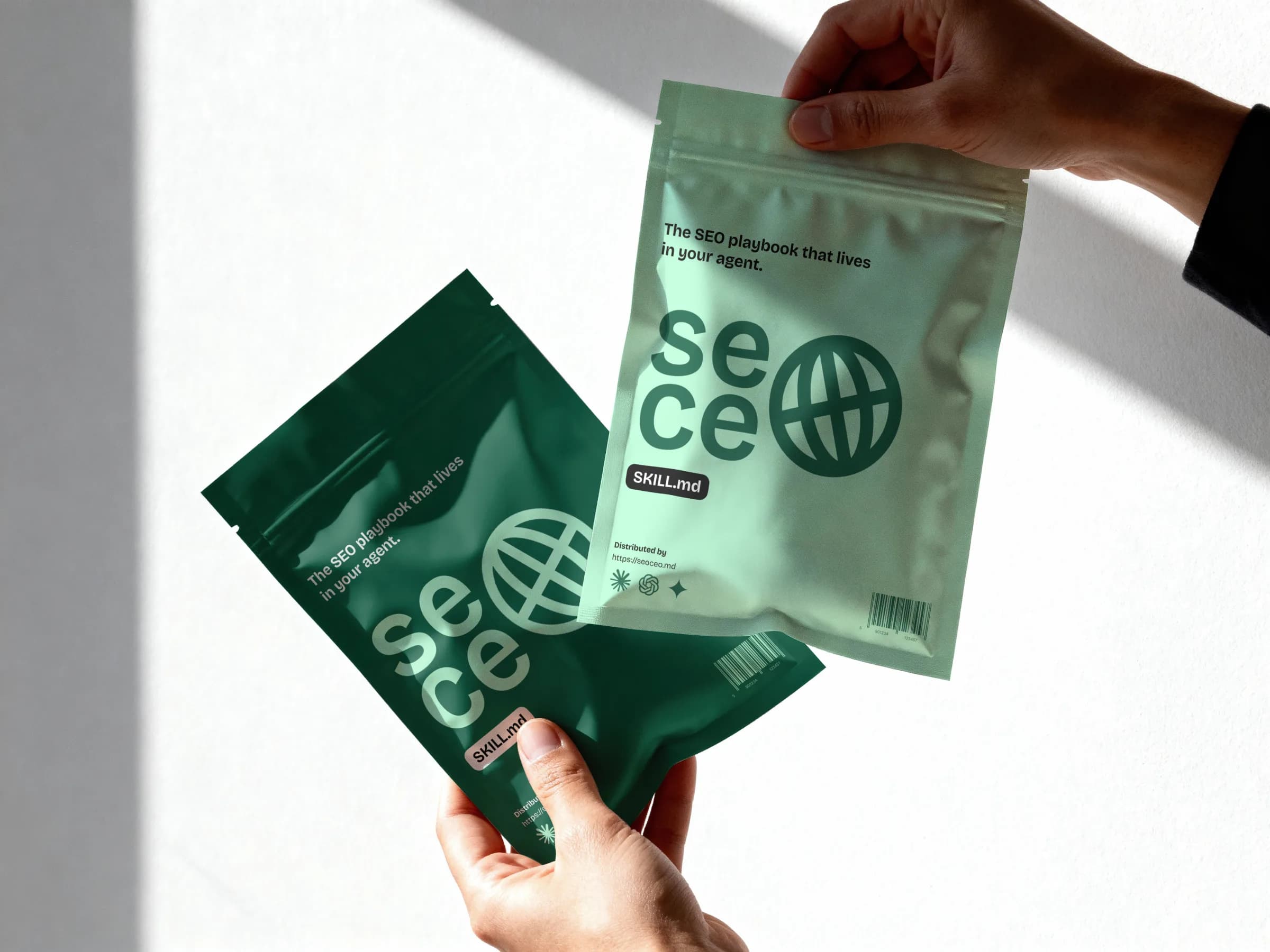
Own the SEO system, not a subscription.
Stop renting your SEO pipeline. Buy the SEOCEO skill file once, drop it into your agent, and it's yours forever.
Built and sold directly by an independent SEO practitioner — no VC funding, no upsell funnel.
- The full SEOCEO SKILL.md file
- Lifetime usage, no recurring fees
- Full documentation & onboarding guide
- Readable, editable, white-hat only
Frequently Asked Questions
How many internal links should a SaaS blog post have?
There is no fixed number. A useful post usually needs enough links to connect the reader to the pillar, the next workflow and a relevant conversion step without distracting from the article.
Should internal links use exact-match anchors?
Use descriptive anchors, not repetitive exact-match anchors. The anchor should make sense to a human reader before it makes sense as an SEO signal.
Can internal links improve SEO without new content?
Yes, when strong existing pages are isolated or when crawlers and readers cannot see the relationship between related pages. Links will not fix weak intent or thin content by themselves.
Should an AI agent add internal links automatically?
It can draft blog-only link edits in a controlled scope, but navigation, templates and sitewide modules should require explicit approval.
What is the first page to audit?
Start with a page that already matters: a guide with impressions, a comparison page, a free-audit page or a post that explains your core workflow.
How often should I run an internal-linking pass?
Run it after publishing a new cluster article and during any content refresh sprint.
What is the biggest internal-linking mistake?
Adding links for keywords instead of adding links for the reader’s next decision.
Sources
Related Posts
What Is GEO? Generative Engine Optimization Explained
GEO helps AI search systems understand your brand, entities, sources and answers. Use this practical, no-hype checklist.
 Lasse Lenting
What Is AEO? Answer Engine Optimization Explained
AEO helps pages give direct, evidence-backed answers that search and AI answer systems can understand. Use this practical checklist.
Lasse LentingSEO Agent for Agencies: A Repeatable Workflow
Use an SEO agent for agency audits, briefs, content QA and internal links without handing every client site to black-box automation.
Lasse Lenting